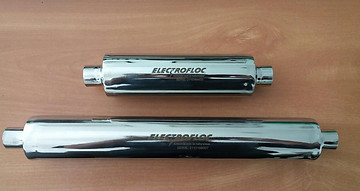
OP ELECTROFLOC para Vehículos Automotores a Diésel y Gasolina /
OP ELECTROFLOC for Gasoline & Diesel Motor Vehicles
NUESTRO COMPROMISO
Ahorro de combustible: Entre 8% y 30% en el consumo de gasolina o diésel.
Minimización de carbón abrasivo: Reduce significativamente la formación de depósitos de carbón en el motor.
Sistema de inyección más limpio: Mantiene limpio el sistema de suministro de combustible e inyectores.
Reducción de emisiones: Disminuye considerablemente la emisión de gases contaminantes al medio ambiente.
Ahorro en mantenimiento: Reduce los costos y frecuencias de mantenimientos correctivos y preventivos.
Mayor vida útil del motor: Extiende la vida operativa del motor y sus componentes internos.
Aumento de potencia: Incrementa la potencia y eficiencia de respuesta del motor.
OUR COMMITMENT
-
Fuel Savings: Between 8% and 30% reduction in gasoline or diesel consumption.
-
Abrasive Carbon Minimization: Significantly reduces carbon deposit buildup inside the engine.
-
Cleaner Fuel Delivery System: Keeps injectors and the entire fuel delivery network clean.
-
Reduced Emissions: Substantially lowers pollutant gas emissions into the atmosphere.
-
Maintenance Savings: Decreases the frequency and expense of corrective and preventive maintenance.
-
Extended Engine Life: Prolongs the operational lifespan of the engine and internal components.
-
Increased Engine Power: Enhances engine power output and performance responsiveness.
OP ELECTROFLOC — MODELOS AUTOMOTRICES
DESCRIPCIÓN:
La acción física alotrópica del tratamiento mejora la combustión como consecuencia de la neutralización de los efectos indeseables ocasionados por el oxígeno libre disuelto y por los contaminantes suspendidos o disueltos en el combustible. Al modificar las estructuras moleculares de alquitranes, ligninas y sulfatos, se obtiene una mayor pureza en los combustibles.
OP ELECTROFLOC — AUTOMOTIVE MODELS
DESCRIPTION:
The physical allotropic action of this treatment enhances combustion by neutralizing the undesirable effects of dissolved free oxygen and suspended or dissolved contaminants present in the fuel. By modifying the molecular structures of tars, lignins, and sulfates, higher fuel purity is achieved.